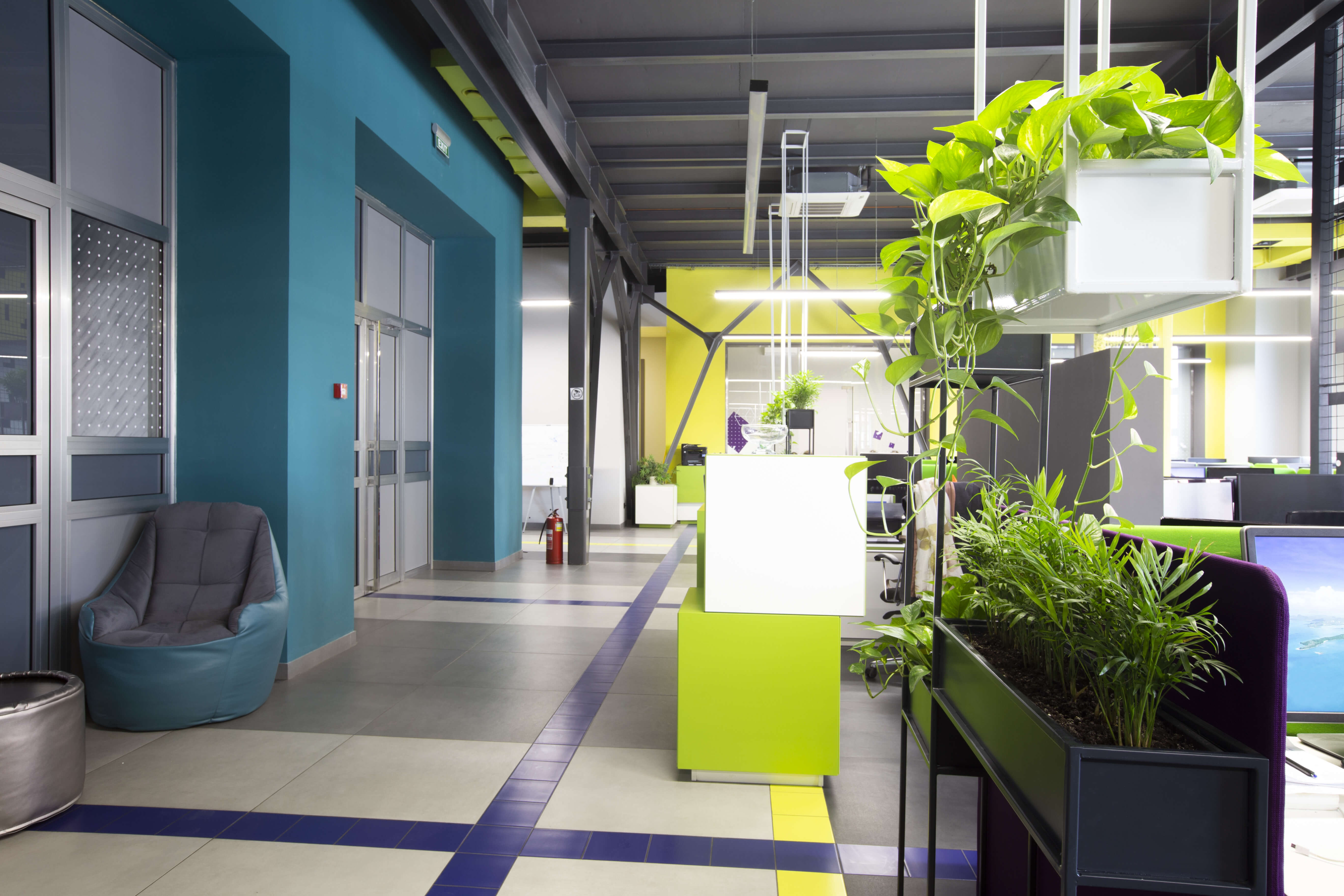
The work environment has dramatically changed over the past twelve months due the COVID19 pandemic. Individuals are working from home, often in environments not conducive to stimulating good performance. What people may not be aware of is that colour triggers certain moods in people and what moods are triggered varies from one person to another. There are certain moods that are generally associated with colours and it is important to understand their impact on the work environment.
Yellow, red and orange are considered “warm” colours. They are said to cause feelings of warmth and comfort or anger and hostility. On the other hand, colours like blue, purple and green are said to induce feelings of calm and serenity or sadness.
We asked our team and clients what their favourite colours are. Below is a snapshot of the favourite colours and what they symbolise.
Blue is the colour of sky and sea, and it symbolises depth and stability. It stimulates our minds and is associated with feelings of trust, tranquillity, confidence, loyalty, and intelligence. When used in a workplace, blue has a calming effect on employees and reduces stress by lowering the blood pressure and heart rates. However, the darker tones of this colour can evoke feelings of sadness.
Green is a colour of nature and new life. It is associated with harmony, growth, hope, trust, wisdom, and renewal. Walls painted with this colour can create feelings of calm and relaxation in employees. Green gives eyes some rest and helps reduce anxiety. This is especially helpful where lighting is not at an optimal level, or employees spend the day staring at computer screens. Also, green is the best colour for those who work long hours. It is restful and improves vision.
Yellow is the colour of sun and light. It produces a warming effect and stimulates mental activity. It is a colour of joy, fun, energy and optimism, as well as intellect, idealism and imagination. Yellow stands for imagination and it can be used to encourage creativity. Unfortunately, it can cause eye strain by over-stimulating the eyes. This can annoy and irritate individuals.
Orange is a citrus colour and it symbolises enthusiasm, strength, balance, and excitement. Being the colour of autumn, orange stands for change. Paint your walls orange if you want to help your employees make decisions, boost their self-confidence, and enhance understanding. It also has several effects on our physical health; it increases oxygen supply to the brain, stimulates brain activity, and energises individuals.
Purple has the power to uplift spirits and calm the mind and nerves. It stands for ambition, wisdom, independence, and vitality. It also encourages imagination and makes people more creative. You might want to paint your workplace interior in purple if your employees deal either with children or the elderly.
Red can stimulate and excite employees. It is identified with energy, strength, determination, passion and desire. Red is also known to have physical effects on our bodies; it raises blood pressure and increases heart rate, respiration and brain activity. But it can get a person really worked up and is best used as an accent and not as a main colour.
Therefore, the impact of colour in the workplace cannot be overstated. Whether you are in your place of work or working from home, colour triggers certain moods in people. Do you know how your moods are being trigged by the colour in your work environment?


 Call Now
 Contact